Menopause And Urinary Incontinence: Reasons And Treatments
Hormone Changes And Urological Wellness
Specialists utilize guided exercises, breathing strategies, and pose training to aid enhance stamina, coordination, and relaxation. It can aid with much better bladder control, lowered pelvic discomfort, and enhanced self-confidence and quality of life. Amongst postmenopausal females, UI is still an usual and complicated issue that has a considerable negative influence on wellness and quality of life. A thorough technique to this problem will decrease UI's unfavorable impacts on culture all at once while concurrently enhancing private wellness results. Luckily, various administration strategies and treatments are readily available for UI, and women experiencing this issue must not be reluctant to look for aid. Lifestyle modifications, such as weight monitoring, pelvic floor workouts (like Kegel workouts), and bladder training can be valuable.
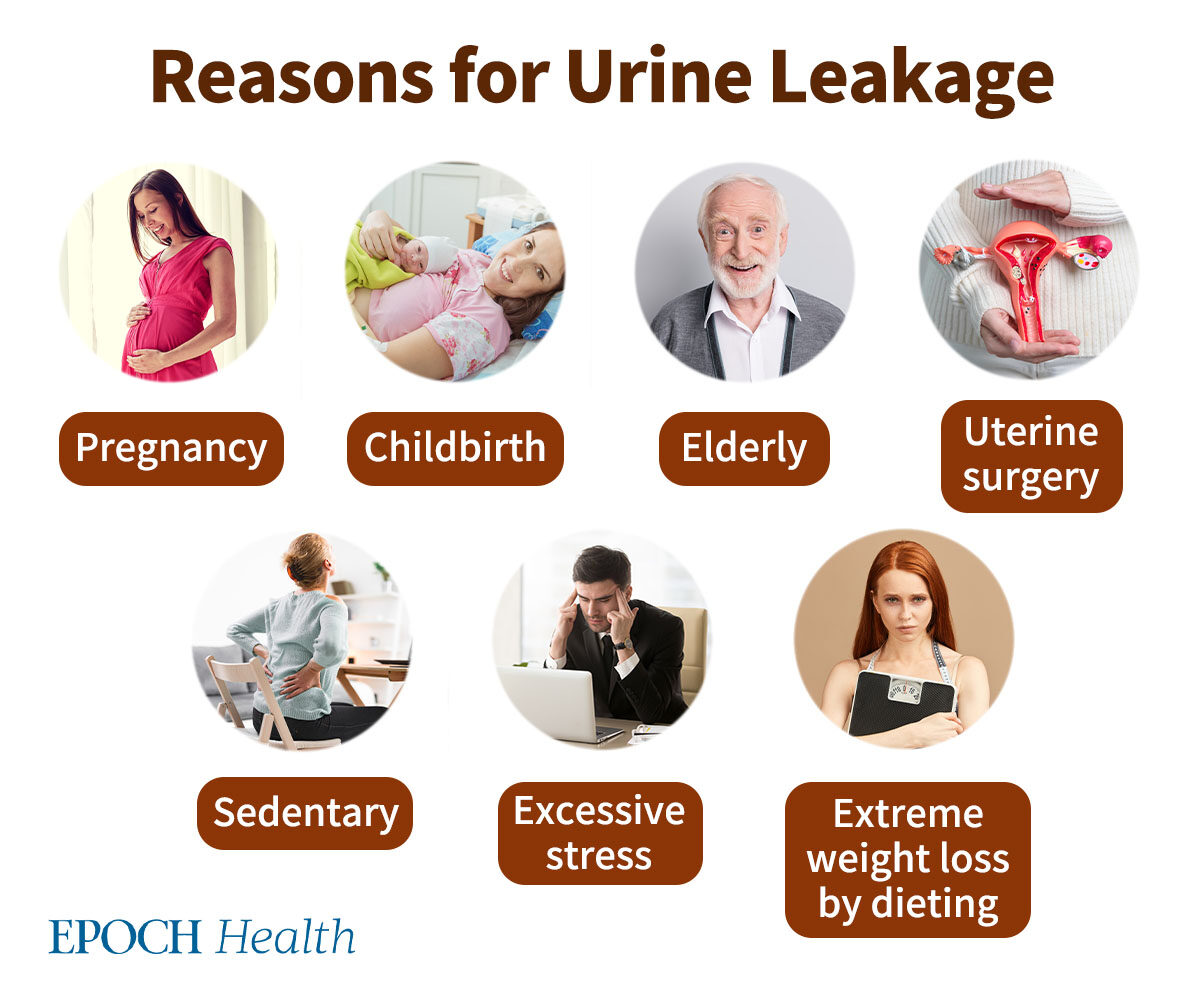
Various medicines, like anticholinergics, can soothe the bladder and enhance signs of urge incontinence. There are great deals of treatments, both traditional and medical, that can be made use of to assist assist you with plain sailing during this moment in your life, despite having bladder leaks. Maintaining a healthy and balanced weight, staying clear of bladder irritants (like caffeine and alcohol), and staying hydrated can all contribute to much better bladder control. Table 1 sums up the socio-demographic attributes drawn out from the study short articles. Our compilation included 11 studies Learn here including an overall of 8,547 postmenopausal women [10-20]Furthermore, natural aging can add to the loss of muscle mass tone in the pelvic region, making bladder control harder in time. Childbirth, obesity, cigarette smoking, and specific chronic conditions like diabetes mellitus can also boost the risk of creating urinary incontinence. Testosterone helps keep prostate health and wellness, while estrogen affects the bladder lining and pelvic muscle mass. Both are important for normal urinary system tract feature and lowering danger factors for cardiovascular disease and prostate cancer. But prior to discussing therapy alternatives, we'll initially check out the function that estrogen plays in urinary incontinence and urinary system system infections. In many cases, urinary system incontinence may be associated with other medical problems past hormone modifications.
For example, you might just leak a couple of drops of pee when you laugh, exercise, cough, or pick up heavy items. Or you may experience an unexpected urge to urinate and be incapable to keep it in before getting to the restroom, causing a mishap. While urinary system incontinence can impact individuals of every ages, it's especially usual in ladies because of factors like pregnancy, childbirth, menopause, aging, and hormone modifications.These variations can damage pelvic muscles, reduce bladder control, and boost the danger of incontinence or bladder infection. If you are suffering from urinary incontinence, there are all-natural treatments, as well as clinical therapies that are shown to help in reducing signs. Incorporating using all-natural solutions with a doctor-prescribed clinical therapy typically generates the best results. Estrogen is among one of the most crucial hormonal agents associated with bladder feature, as it aids preserve the stamina and flexibility of cells in the urinary system tract and pelvic area. There are numerous kinds of incontinence, consisting of stress and anxiety incontinence, urge incontinence, and overflow incontinence, and many people experience a mix of signs and symptoms.
- The cause of perimenopause is the subsiding of ovarian function and your ovaries generating less estrogen and testosterone.
- These are all signs and symptoms ladies can experience before they enter menopause during a time called perimenopause.
- Throughout researches, the mean age of menopause varies, with some studies reporting standards around 48 to half a century.
- It ought to be meticulously reviewed with a doctor, particularly for those with a history of hormone-sensitive problems.
What Are The Types Of Urinary System Incontinence That Affect Females?
Her work demonstrated a keen understanding of wellness problems, specifically those pertaining to urinary incontinence. Perimenopause is a transition time that every lady will go through in their life, from reproductive years to menopause. Perimenopause can begin prior to your last period ends, commonly between the late 30s and 50s.Hormone Adjustments And Urinary System Incontinence In Ladies
Each sort of incontinence has different causes and management strategies. A 2011 research goes over exactly how estrogen plays a crucial function in keeping our vaginal areas and urinary system tracts healthy. Your vagina and bladders have their own particular microbiomes that preserve an equilibrium of "great" and "poor" microorganisms. Bladder control issues are really common for females in menopause, however it is a treatable condition.Arrange a consultation with a WWMG Medical Care Company to discuss treatment choices and make a prepare for preventing UTIs and urinary system incontinence as you age. Magnesium and bladder control are commonly linked due to magnesium's role in muscle mass function. Some individuals report less nighttime urges or muscle Hyoscyamine mass spasms after boosting their magnesium consumption. It must be very carefully reviewed with a healthcare provider, specifically for those with a history of hormone-sensitive problems. As levels drop as a result of menopause, this can develop a one-two strike, and several women experience both problems at the exact same time. It's need that you (or a pal) have possibly experienced when you're getting back, keys in the door, and don't make it to the bathroom on schedule.
