The Link In Between Menopause And Urinary Incontinence: An Organized Review
Avoiding Perimenopause Bladder Issues
Overflow Urinary Incontinence
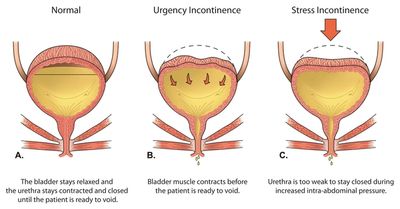
Maintaining your pelvic flooring and core in tip-top form can aid to stop and reduce bladder issues and reinforce your pelvic flooring muscular tissues throughout perimenopause. Way of life changes can play a major duty in managing hormone-related urological issues. Consuming alcohol sufficient water maintains the urinary tract healthy, yet staying clear of caffeine and alcohol can minimize bladder irritation. Recognizing exactly how hormonal agents control these systems aids discuss typical symptoms that occur with age, pregnancy, or menopause.- The pelvic floor muscles that sustain the bladder, urethra, uterus (womb), and bowels might become weaker or damaged.
- It sends signals to a monitor, which informs you when your muscles are acquiring.
- Pessaries are handy to reduce symptoms of anxiety urinary incontinence by holding the bladder in place and reducing urine leakage.
Pelvic Flooring Exercises And Therapy
As women enter and advance via menopause, their bodies go through hormone modifications, the most significant being a decline in the manufacturing of estrogen (the woman sex hormone). This drop in estrogen levels can make it difficult for women to preserve a healthy and balanced urinary tract. Certain medicines might help in reducing signs and symptoms Cystourethrography of urge urinary incontinence and overactive bladder by relaxing the bladder muscles or minimizing bladder spasms.Can Menopause Create Urinary System Tract Infections?
The prevalence of UI among post-menopausal women ranged from 13.6% to 84.4%, with a complete occurrence of 5394 (63.1%). Throughout studies, the mean age of menopause differs, with some studies reporting standards around 48 to half a century. Numerous research studies report that UI occurrence enhances with age, particularly in the postmenopausal period. UI signs and symptoms, such as shedding micturition and blended UI, are kept in mind, typically pertaining to the genitourinary disorder of menopause (GSM) and nocturia. These symptoms are connected to reduced lifestyle and significant morbidity.The majority of the time this uncontrolled leak is a couple of decreases of pee, however it can come to be a complete loss of control. Hormones play an important function in eliminating waste via the urinary tract and regulating body organ feature. Modifications in hormonal agent levels can affect the bladder, muscle mass, and nerves associated with peeing. These changes might bring about urinary system tract infections (UTIs), urinary incontinence, or urinary regularity.
Number 1 shows the procedure by which the literature was browsed. You can likewise buy pads or protective undergarments while you take various other steps to treat urinary system incontinence. These are marketed in several shops that additionally market feminine hygiene items like tampons and pads. Urinary incontinence might be common throughout and after menopause, however that doesn't indicate it needs to be ignored. You should have to really feel comfortable and certain at every stage of life. Speak with your medical professional to get more information concerning your problem, therapy choices, and outlook.Set up an appointment with a WWMG Primary Care Carrier to review treatment choices and make a prepare for preventing UTIs and urinary system incontinence as you age. Magnesium and bladder control are usually linked due to magnesium's role in muscle feature. Some people report less evening advises or muscular tissue convulsions after raising their magnesium intake. It should be meticulously reviewed with a doctor, especially for those with a history of hormone-sensitive problems. As levels go down due to menopause, this can develop a one-two strike, and lots of females experience both problems at the exact same time. It's need that you (or a good friend) have possibly experienced when you're arriving home, keys in the door, and do not make it to the shower room on time.
Make an appointment with Dr. Allison Wyman for treatment options if you have urinary system incontinence. Avoiding cigarette usage sustains general urological health and wellness and lowers dangers of problems. A balanced diet regimen rich in fruits, veggies, and entire grains sustains hormonal agent balance and urinary system feature. Imaging examinations, such as ultrasounds or MRIs, may be made use of to examine the bladder, prostate, and kidneys. Urodynamic researches assess exactly how well the bladder and urethra store and launch pee.